Who is Dr. Becky?
Let's start with my values: integrity and compassion. These two guide posts drive everything else I do and think about in our field. In 2005, I was approached by my hairdresser to see if I would attend a week long ABA training program so I could work with her son. As an open-minded young person who had just received my bachelor's degree in psychology and was applying to graduate school for social psychology, I thought, "Sure, why not? This opportunity fit my values and would be a great job during my gap year." I didn't know that "yes" would change my life forever. AND I AM SO GRATEFUL she asked me and let me be a part of her son's journey. That year working with her son sparked my lifelong vocation and passion for the ethical and effective practice of ABA.
Fast forward to 2026, I have been board certified for 17 years, I have a Ph.D. from Western Michigan University in Behavior Analysis, I have several published peer-reviewed articles, I am a contributing author in THE white book (IYKYK; see chapter 27 on Functional Behavior Assessment, pp. 632, 644, 645), I co-authored a book titled, Ethical Applied Behavior Analysis Models for Individuals Impacted by Autism, I serve on the editorial board for Behavior Analysis in Practice, I have served as an ethics subject matter expert for the BACB, and I am an award-winning researcher.
Beyond my achievements though, I want to focus on the things that really matter to me: my values of compassion and integrity.
As behavior analysts, we sometimes come off as rigid and may fail to see the value of things beyond our data. Unfortunately, I used to be one of those behavior analysts, and would struggle to see how my uncooperative behavior contributed to slower progression of positive outcomes for my clients. It wasn’t until my own mentor told me that I need to find the points of convergence with other professionals, and that a successful behavior plan was not just one that worked, but one that people could implement AND wanted to implement. Some of the most well written behavior plans are ineffective because no one implements them. It was that moment that changed my perspective … I needed to use our science to teach our science. In other words, I needed to motivate my collaborators if effective treatment was going to reach my clients. More often than not, this meant I needed to listen – really listen, consider other points of view, and come up with behavior plans that were based on science, data, and most importantly the context and values of my client and their community.
Once I started practicing this way of ABA, I became more effective as a clinician, collaborator, and mentor. In mentorship and consultation, I challenge those I am teaching to stay curious, consider the anecdotes and stories, and value others’ opinions, experiences, and preferences just as much as data and research.

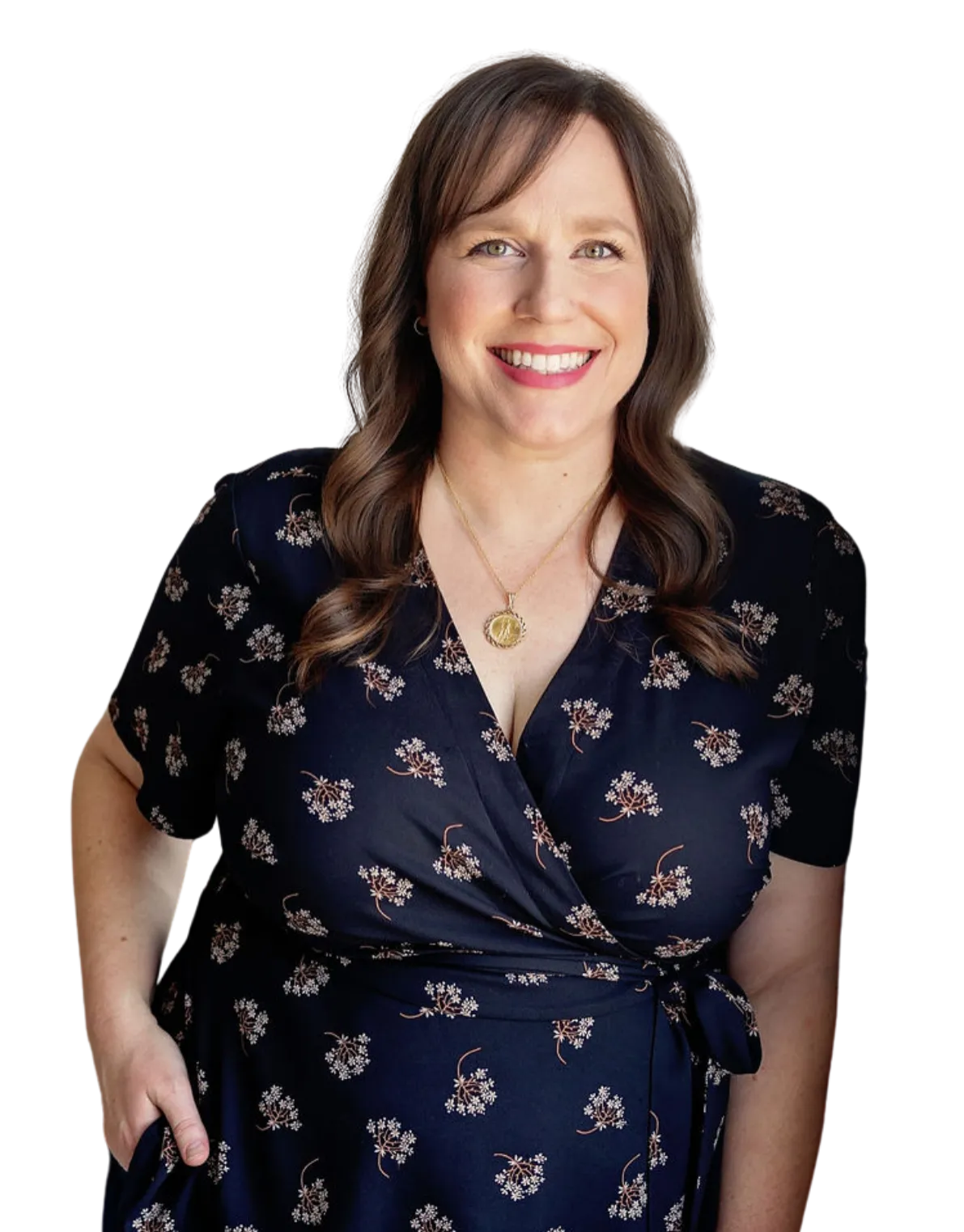
Dr. Becky Eldridge, BCBA-D, is a passionate researcher, practitioner, author, and teacher in the field of Applied Behavior Analysis.


Publications
Dr. Becky Eldridge has published an ethics book, several research articles in peer-reviewed journals, as well as chapters in books, and is listed as a contributor in Chapter 27 of the 3rd edition of Cooper, Heron, & Heward’s Applied Behavior Analysis (2020; infamously known as “the white book”).
Visit her ResearchGate profile for full text copies of all of her published works.

Podcasts
Inside ABA Track - Episode 333: Listener Choice - Risk Assessment (January 21, 2026)
In the Field: The ABA Podcast. Tools for ABA Fieldwork Supervision (May 22, 2024)
Behavior Analysis in Practice- The Podcast S1:E16: Toward the Development of a Functional Analysis Risk Assessment Decision Tool (April 12, 2021)
All Autism Talk - Functional Analysis and Self Determination (December 18, 2020)

Curriculum Vita
Click here to see Dr. Becky Eldridge’s full CV, with detailed history of her education, work, services, awards, publications, and presentations.
Contact Dr. Becky
I send out a few newsletters a month with expert tips, free resources, and news on upcoming events. Subscribe below if you don't want to miss anything.
Or email me at [email protected]



© Becky Eldridge Consulting, LLC. 2026. All Rights Reserved.